Unconscious Bias: 3 Ways to Recognize and Reduce Its Workplace Impact

Jason Hicks

Jason Hicks

Owner at PTR Training

The Influence of Unconscious Bias

Unconscious biases—deep-seated perceptions and assumptions that operate beyond our awareness—affect workplace interactions, decision-making, and leadership. Shaped by societal norms and personal experiences, these biases can unintentionally impact hiring, promotions, and team dynamics, often at the expense of objectivity and fairness. Left unexamined, they create barriers to collaboration, innovation, and professional development.

Challenging and Reducing Bias

When was the last time you questioned your assumptions? Awareness of unconscious bias is essential for fostering a more objective and equitable work environment. Workplace training provides professionals the tools to recognize, challenge, and mitigate bias, helping them make more informed decisions, strengthen workplace relationships, and promote accountability.

Additional Benefits Include:

  • Identifying Bias in Decision-Making: Understanding how unconscious bias affects hiring, promotions, and workplace interactions.
  • Developing Self-Awareness: Encouraging personal reflection to uncover and address unconscious biases.
  • Understanding Systemic Bias: Examining how bias operates on a structural level and implementing strategies to minimize its effects.

Through intentional awareness and proactive change, individuals and teams can reduce the influence of bias—leading to more fair and adequate decision-making in the workplace.

Jason Hicks

Jason Hicks

Owner at PTR Training

LinkedIn

As Owner of PTR Training, Jason Hicks leads the company’s strategic direction and oversees the development of performance-based training solutions for organizations and professionals. With a background grounded in both education and applied practice, Jason combines formal training in human performance and leadership with extensive real-world experience designing, delivering, and scaling training programs. He is known for translating complex performance concepts into practical, results-driven solutions that improve individual capability and organizational outcomes.

You May Also Like

Learning & DevelopmentWorkplace Wellness
A Diverse Team of Corporate Professionals Working Together

Must Reads

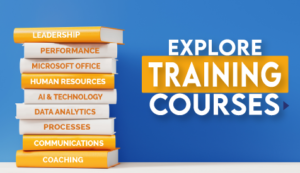
a stack of orange and white books with text overlay of different training topics related to the professional workforce.

Blog Summary [no display]

A Diverse Team of Corporate Professionals Working Together

Unconscious Bias: 3 Ways to Recognize and Reduce Its Workplace Impact

The Influence of Unconscious Bias

Unconscious biases—deep-seated perceptions and assumptions that operate beyond our awareness—affect workplace interactions, decision-making, and leadership. Shaped by societal norms and personal experiences, these biases can unintentionally impact hiring, promotions, and team dynamics, often at the expense of objectivity and fairness. Left unexamined, they create barriers to collaboration, innovation, and professional development.

Challenging and Reducing Bias

When was the last time you questioned your assumptions? Awareness of unconscious bias is essential for fostering a more objective and equitable work environment. Workplace training provides professionals the tools to recognize, challenge, and mitigate bias, helping them make more informed decisions, strengthen workplace relationships, and promote accountability.

Additional Benefits Include:

  • Identifying Bias in Decision-Making: Understanding how unconscious bias affects hiring, promotions, and workplace interactions.
  • Developing Self-Awareness: Encouraging personal reflection to uncover and address unconscious biases.
  • Understanding Systemic Bias: Examining how bias operates on a structural level and implementing strategies to minimize its effects.

Through intentional awareness and proactive change, individuals and teams can reduce the influence of bias—leading to more fair and adequate decision-making in the workplace.