
Creating a Performance Culture in the Workplace
Course Overview
Performance culture emphasizes high-level performance, measurable results, and a commitment to continuous improvement. This comprehensive course explores the core components of cultivating a performance culture and focuses on leaders’ critical role in team cohesiveness and efficiency. We will teach you leadership skills for building such a culture and methods for accountability, professional development, and skill enhancement. You will learn how to address challenges, measure the effectiveness of a performance culture, and foster a mindset where employees are motivated to achieve their potential and contribute to shared goals.
Learning Objectives
- Define performance culture and evaluate team dynamics.
- Set and communicate clear goals and expectations.
- Implement effective reward and recognition strategies.
- Deliver constructive feedback and apply coaching models.
- Demonstrate accountability and promote ongoing development.
- Identify and respond to common challenges.
- Measure the impact of performance initiatives.
- Apply strategies to sustain long-term cultural effectiveness.
Who It's For
- Managers and team leaders responsible for improving team performance and workplace effectiveness.
- Supervisors who want to strengthen accountability, communication, and employee engagement.
- HR professionals and learning and development (L&D) specialists supporting organizational culture initiatives.
- Business owners and senior leaders who want to build a results-driven workplace.
- Professionals responsible for employee coaching, performance management, and continuous development.
Course Agenda
Five modules · 34 topics1Understanding a Performance CultureTopics 1–4
2Performance LeadershipTopics 5–19
3AccountabilityTopics 20–24
4Professional DevelopmentTopics 25–30
5Your Role in a Performance CultureTopics 31–34
About our Trainers



Our Mission
Our facilitators are committed to delivering the latest industry trends, job-specific best practices, and the essential soft and hard skills needed in today’s workforce. PTR offers small and large organizations the choice between onsite and virtual training. Collaborate with our specialists to address challenges, bridge skill gaps, and tailor the learning experience to meet your company’s goals.
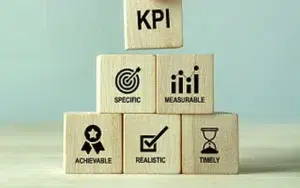
This course explores how to build a workplace culture focused on high performance, measurable results, accountability, and continuous improvement. It develops leadership skills and practical strategies to help teams achieve shared organizational goals. A performance culture is a workplace environment where employees and leaders focus on achieving measurable results, taking responsibility, improving their skills, and contributing to shared goals. Key characteristics include clear goals, well-communicated expectations, accountability, constructive feedback, employee recognition, continuous learning, and a commitment to improvement. Leaders can establish clear expectations by defining measurable objectives, communicating responsibilities, and aligning individual targets with team and organizational priorities. The course introduces SMART goals as a framework for setting effective objectives. Recognition and rewards encourage employees by acknowledging their contributions and achievements. The course explores effective recognition strategies, incentives, and the principles of well-designed reward programs. Managers can provide constructive feedback by communicating observations clearly, focusing on improvement, and creating a supportive environment for discussion. The course covers non-threatening feedback, best practices, and common mistakes to avoid. GROW is a coaching model covered in the course to support structured coaching conversations. It helps leaders guide employees through goal-setting, exploring their current situation, considering options, and determining a way forward. Challenges may include unclear expectations, weak accountability, ineffective feedback, limited development opportunities, workplace frustrations, and employee burnout. The course explores ways to identify and respond to these challenges.Frequently Asked Questions
What is the Creating a Performance Culture in the Workplace course?
What is a performance culture?
What are the key characteristics of a high-performance culture?
How can leaders establish clear performance goals and expectations?
What is the role of recognition and rewards in a performance culture?
How can managers provide constructive feedback?
What is the GROW coaching model?
What challenges can affect a performance culture?
Related Courses
Discover More Ways to Build Your Skills



Creating a Performance Culture in the Workplace
Request a Training Quote
Share your team’s goals, and we’ll recommend the right skills training.

