Effective Communication for Remote & Hybrid Teams

Course Overview
Virtual work environments can offer flexibility, increased job satisfaction, and even higher productivity, but virtual teams also come with several challenges that can undermine goals, relationships, and team effectiveness. In this course, we will teach you how to communicate effectively, maintain relationships, and work successfully in a virtual team environment. You will learn to overcome the obstacles of working remotely and build a high-performance virtual team.
Learning Objectives
- Apply best practices for building trust remotely.
- Explore the dynamics of working in a virtual environment.
- Successfully communicate in a virtual environment.
- Utilize email and IM etiquette.
- Identify communication and technology tools.
- Avoid and overcome common obstacles.
- Develop a virtual code of conduct.
Who It's For
- Remote and hybrid employees who want to improve their virtual communication skills.
- Managers and team leaders responsible for leading distributed or hybrid teams.
- HR professionals supporting remote workforce engagement and collaboration.
- Project teams that rely on virtual meetings, email, instant messaging, and digital collaboration.
- Business professionals seek to build trust, strengthen relationships, and improve remote team performance.
Course Agenda
Three modules · 25 topics1Working VirtuallyTopics 1–10
2Virtual CommunicationTopics 11–18
3Maximizing PerformanceTopics 19–25
About our Trainers



Our Mission
Our facilitators are committed to delivering the latest industry trends, job-specific best practices, and the essential soft and hard skills needed in today’s workforce. PTR offers small and large organizations the choice between onsite and virtual training. Collaborate with our specialists to address challenges, bridge skill gaps, and tailor the learning experience to meet your company’s goals.
This one-day training course helps professionals communicate effectively, build trust, maintain relationships, and collaborate in remote and hybrid work environments. It covers virtual team dynamics, communication tools, digital etiquette, performance, and workplace challenges. Remote teams can build trust through authentic communication, empathy, shared expectations, consistent collaboration, and a positive team culture. The course explores virtual values, team dynamics, empathy, commonality, and trust-building practices. Common challenges include communication barriers, technology issues, reduced opportunities for informal interaction, misunderstandings, and difficulties maintaining team connections. The course explores the mental and physical tolls of virtual work, common technology issues, and strategies for overcoming workplace obstacles. Managers can improve communication by setting clear expectations, establishing team rules, selecting suitable communication tools, encouraging collaboration, and building a supportive team culture. The course covers performance expectations, virtual communication practices, and creating a virtual code of conduct. Virtual team dynamics refer to how team members interact, communicate, collaborate, and work toward shared goals in a remote environment. Understanding these dynamics helps teams build trust, establish expectations, strengthen relationships, and improve performance. Choosing communication tools involves considering the team’s needs, communication requirements, collaboration activities, and technology criteria. The course explores virtual communication tools, collaboration and sharing, and factors to consider when selecting technology. A virtual code of conduct is a set of agreed guidelines that defines how team members communicate, collaborate, and behave in a remote work environment. This course explores creating rules and developing a virtual code of conduct to support effective teamwork. A high-performance virtual team has clear expectations, effective communication, strong collaboration, mutual trust, and a shared team culture. The course explores these characteristics and the success habits that help virtual teams work effectively.Frequently Asked Questions
What is the Effective Communication for Remote & Hybrid Teams course?
How can remote teams build trust and maintain strong relationships?
What are the common challenges of working in a virtual team?
How can managers improve communication in remote and hybrid teams?
What is virtual team dynamics, and why is it important?
How do I choose the right communication tools for a remote team?
What is a virtual code of conduct?
What are the characteristics of a high-performance virtual team?
Related Courses
Discover More Ways to Build Your Skills
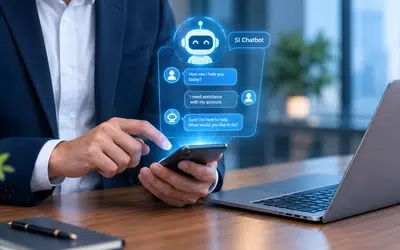


Effective Communication for Remote & Hybrid Teams
Request a Training Quote
Share your team’s goals, and we’ll recommend the right skills training.