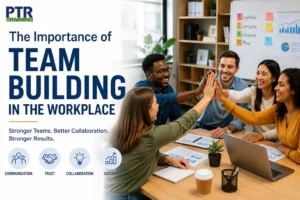
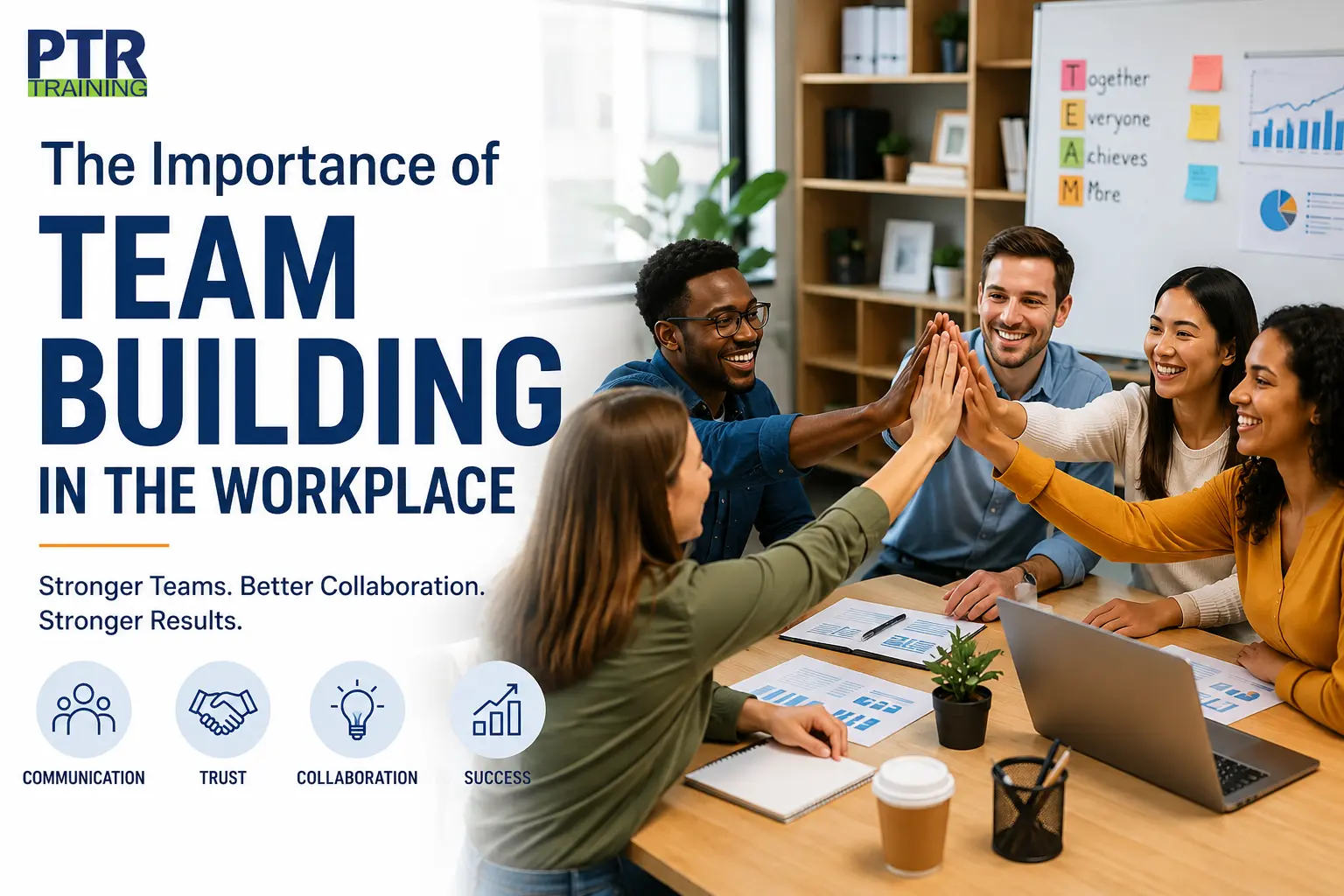
The Importance of Team Building in the Workplace

Importance of Team Building in the Workplace

Every successful organization depends on one thing: people working well together.

You can hire talented employees, invest in the latest technology, and create ambitious business goals. However, if your employees struggle to communicate, collaborate, or trust one another, achieving long-term success becomes difficult.

This is where team building plays a critical role.

The importance of team building in the workplace goes far beyond occasional social events or company outings. Effective team building helps employees connect, communicate openly, solve problems together, and create a stronger workplace culture.

As workplaces become increasingly hybrid, remote, and fast-paced, building strong team relationships is no longer optional—it's essential.

What Is Team Building in the Workplace?

Team building refers to activities, training programs, and experiences designed to strengthen relationships among employees and improve how they work together.

While many people associate team building with workshops or company outings, effective team building goes much deeper. It helps employees understand one another's strengths, communicate openly, and build trust.

The goal is simple: create a team that performs better together than individuals can perform alone.

Strong team-building initiatives help employees:

When employees feel connected to their colleagues, collaboration becomes more natural and productive.

Why Is Team Building Important in the Workplace?

The answer is straightforward. Team building helps bridge communication gaps, strengthens workplace relationships, and creates a sense of belonging.

Research from Gallup found that employee engagement in the United States fell to a 10-year low, with only 31% of employees reporting they were engaged at work. Organizations that foster stronger team connections are better positioned to improve engagement and performance.

Curious what stronger employee engagement could mean for your organization?


Use our Training Impact Calculator to estimate the potential ROI of investing in employee development.

Training Impact Calculator

Employees who feel connected to their teams are more likely to:

  • Stay committed to organizational goals
  • Collaborate effectively
  • Support colleagues during challenges
  • Contribute innovative ideas
  • Remain with the company longer

In a competitive talent market, these advantages can make a significant difference.

Key Benefits of Team Building in the Workplace
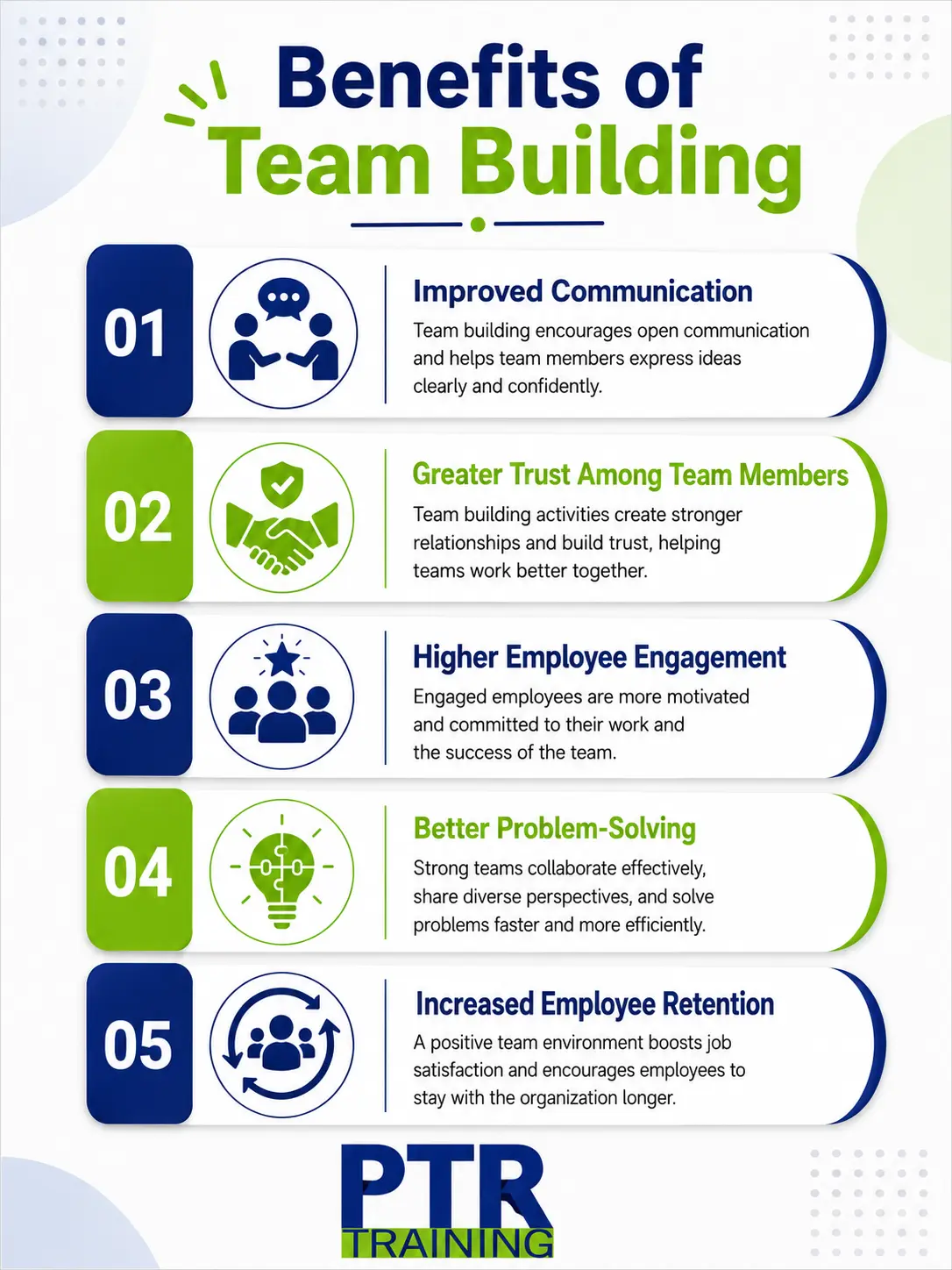
Benefits of Team Building in the Workplace

Improved Communication

Poor communication remains one of the most common causes of workplace misunderstandings and inefficiencies.

Team building activities encourage employees to share ideas, listen actively, and communicate more openly. Over time, this creates stronger communication habits that carry into daily work.

When communication improves, teams experience:

  • Fewer misunderstandings
  • Faster decision-making
  • Better project coordination
  • Increased transparency

Strong communication also helps employees feel heard and valued.

Greater Trust Among Team Members

Trust is the foundation of every successful team.

Without trust, employees may hesitate to share ideas, ask questions, or collaborate effectively. Team building helps people get to know one another beyond their job titles and responsibilities.

As trust grows, employees become more comfortable:

  • Sharing feedback
  • Taking initiative
  • Asking for support
  • Collaborating across departments

This creates a healthier and more productive work environment.

Higher Employee Engagement

Employee engagement is closely linked to business performance.

Gallup research shows that highly engaged teams consistently outperform less engaged teams across key business metrics. Organizations with engaged employees often see better productivity, stronger customer experiences, and improved profitability.

When employees feel connected to their teams, they are more likely to remain motivated and invested in their work.

Better Problem-Solving

Diverse teams often generate stronger solutions because they bring different perspectives to challenges.

Team-building activities help employees learn how to collaborate effectively when solving problems. This improves creativity, innovation, and decision-making.

When employees understand each other's strengths, they can leverage those strengths during complex projects.

Increased Employee Retention

People often leave managers, but they also leave environments that make them feel disconnected.

Employees who have strong workplace relationships are more likely to stay with an organization. Team building fosters a sense of belonging, strengthening loyalty and improving retention.

This can reduce recruitment costs and preserve valuable institutional knowledge.

The Business Impact of Strong Teams

Many organizations still view team building as a nice-to-have activity rather than a business investment.

The data suggests otherwise.

Team Building Benefit vs Business Outcome

Team Building Benefit Potential Business Impact
Improved communication Faster project completion
Stronger trust Better collaboration
Higher engagement Increased productivity
Better morale Reduced turnover
Enhanced teamwork Improved customer experience
Stronger culture Greater employee retention

Research involving more than 183,000 teams found that highly engaged teams delivered approximately 23% higher profitability compared to low-engagement teams. Poorly engaged teams also experienced significantly higher turnover.

These findings highlight the importance of team building in the workplace for long-term business success.
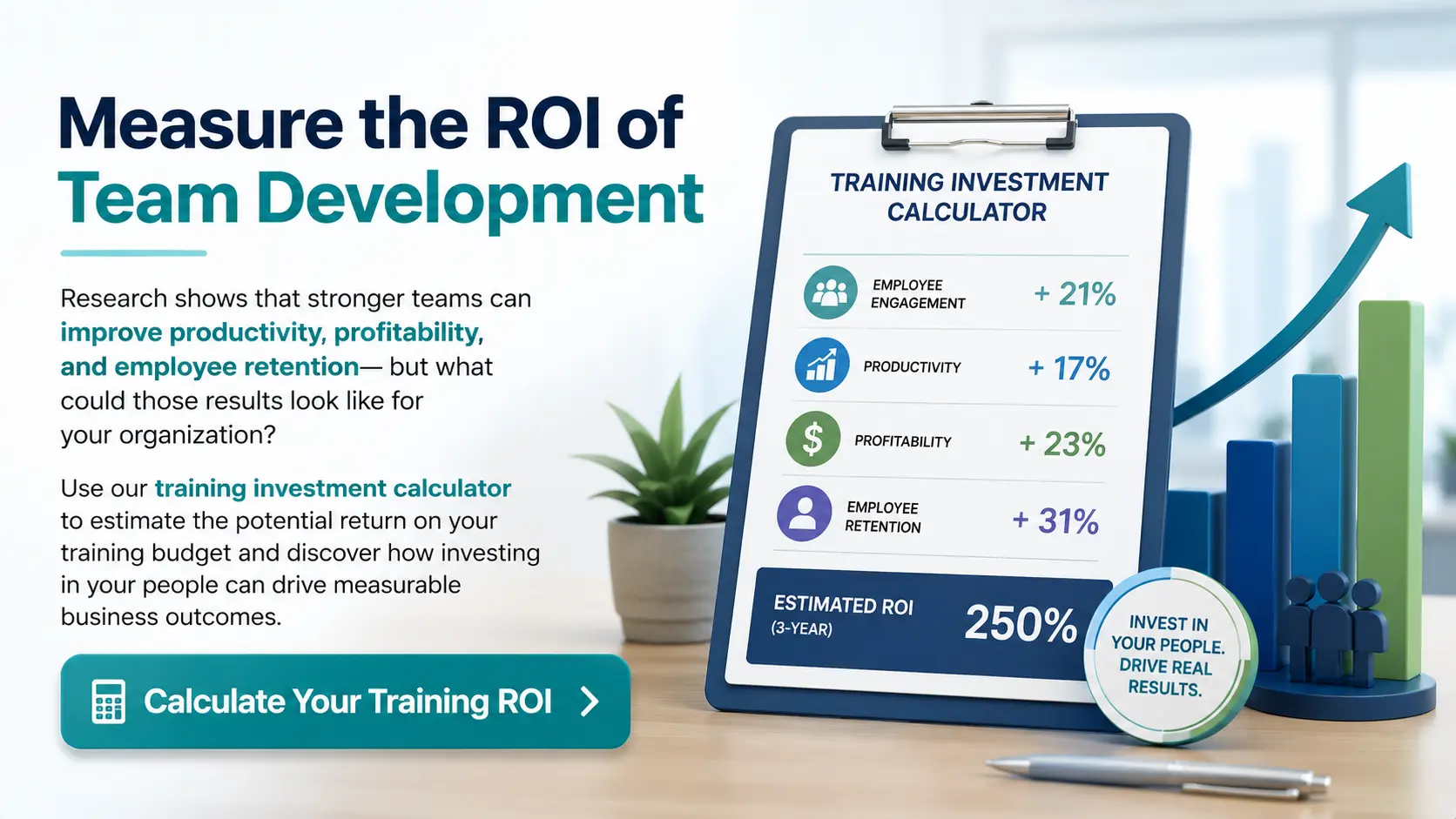
Calculate Your Training ROI

Real-World Case Study: Building a Stronger Culture Across a Remote Team

Building a strong workplace culture can be especially challenging when employees work from different locations. A case study published by Outback Team Building & Training shows how structured team development helped Principia, a research and consulting firm with approximately 20 remote employees and contractors, address this challenge.

As the company grew, Principia faced challenges in strengthening its company culture, improving team alignment, and helping employees build stronger personal connections.

To address these challenges, the company participated in an interactive Emotional Intelligence training session focused on self-awareness, communication, and stronger workplace relationships.

In the months following the training, company leaders reported improved alignment around shared values such as trust and respect, greater emotional awareness in day-to-day interactions, and stronger connections between team members. The response was so positive that the team unanimously decided to continue with additional training sessions.

This case study highlights an important lesson for remote and hybrid workplaces: technology can keep employees connected, but communication tools alone do not automatically create a strong team culture.

Structured training can give employees opportunities to understand one another better, develop interpersonal skills, improve communication, and build stronger working relationships.

For growing remote teams, training in areas such as emotional intelligence, communication, leadership, trust, and conflict management can support stronger collaboration and a more connected workplace culture.

This example demonstrates that structured learning doesn't just improve teamwork—it can create measurable improvements in communication, trust, and organizational culture.

Read the full Principia remote team culture case study.

How Team Building Improves Workplace Culture

Company culture is often described as “how things get done around here.”

A positive workplace culture does not happen by accident. It develops through shared experiences, behaviors, and values.

Team building supports culture by encouraging:

  • Respect among colleagues
  • Open communication
  • Mutual accountability
  • Shared goals
  • Employee recognition

When employees feel connected to the organization and to one another, workplace culture becomes stronger.

This is particularly important because workplace culture often influences employee satisfaction more than compensation alone.

Empower your team with expert training that strengthens leadership, collaboration, and performance.

Team Building in Remote and Hybrid Workplaces

One common question leaders ask today is:

How Important Is Team Building in the Workplace When Teams Work Remotely?

It may actually be more important than ever.

Remote employees can sometimes feel isolated from their colleagues and the company culture. Without regular interaction, trust and communication can weaken over time.

Gallup research found that employees value in-person relationship building, collaboration, and trust development as key benefits of workplace interaction.

Effective remote team building can include:

  • Virtual collaboration sessions
  • Online problem-solving activities
  • Recognition programs
  • Peer learning opportunities
  • Cross-functional projects

The objective remains the same: create meaningful connections despite physical distance.

Have you Read? 7 Habits of Successful Leaders That Drive Team Growth

Why One-Time Team-Building Events Are Not Enough

A single team-building event can energize, encourage interaction, and help employees connect. However, lasting improvements in teamwork rarely come from a single activity.

Strong teams develop over time through consistent communication, shared experiences, clear expectations, and opportunities to learn together. If employees return from a team-building event to the same communication barriers, unclear responsibilities, or unresolved conflicts, the positive effects of the experience may quickly fade.

For this reason, organizations should view team building as an ongoing development process rather than an annual event. Team-building activities can be more effective when they are supported by leadership development, communication training, regular feedback, collaborative projects, and follow-up learning opportunities.

Managers also play an important role in reinforcing what employees learn. Encouraging open communication, recognizing collaborative behavior, and creating opportunities for employees to apply new skills can turn a short-term experience into lasting workplace improvement.

The goal is not simply to bring employees together for a day. Effective team development should help people communicate better, solve problems together, build trust, and apply these behaviors in their everyday work.

Estimate Your Training ROI

Effective Team Building Strategies for Modern Workplaces

If you want meaningful results, focus on long-term team development rather than one-time events.

1. Leadership Development Programs

2. Cross-Department Collaboration

  • Encourage employees from different teams to work together on projects.
  • This improves understanding and breaks down silos.

3. Recognition Programs

  • Recognize achievements regularly.
  • Employee appreciation strengthens motivation and team morale.

4. Team Workshops

  • Facilitated workshops help employees improve communication, trust, and problem-solving abilities.

5. Continuous Learning

  • Professional development programs allow teams to grow together while building stronger workplace relationships.

How PTR Training Can Help You Build Stronger Teams

Building stronger teams requires more than occasional team-building activities. Lasting results come from structured learning, practical application, and continuous development.

At PTR Training, we help organizations strengthen collaboration, improve communication, and develop high-performing teams through customized corporate training solutions. Whether you're looking to improve team dynamics, prepare future leaders, or create a more engaged workplace culture, our programs are designed to deliver practical, measurable outcomes.

Our team-building and professional development programs help organizations:

  • Strengthen communication across teams and departments
  • Build trust, collaboration, and accountability
  • Develop confident and effective leaders
  • Improve employee engagement and workplace culture
  • Equip managers with practical coaching and leadership skills
  • Support remote, hybrid, and in-person teams

Ready to invest in your people? Explore our Team Building, Leadership Development, and Professional Skills Training programs to discover how PTR Training can help your teams communicate better, collaborate more effectively, and achieve lasting business results.

Expert Insight from PTR Training

At PTR Training, we've worked with organizations across industries and found that successful team-building initiatives share three characteristics:

  • Leadership participation
  • Ongoing reinforcement
  • Practical workplace application

Team-building activities alone rarely change workplace culture. Sustainable improvement happens when organizations combine experiential learning with coaching, leadership development, and measurable follow-up.

Through our corporate training programs, we've observed that organizations that integrate follow-up coaching after team-building workshops achieve more sustainable improvements than those relying on one-time events.

Frequently Asked Questions

How important is team building in the workplace?

Team building is extremely important because it improves communication, trust, collaboration, and employee engagement. Strong teams are more productive and better equipped to achieve organizational goals.

Why is team building in the workplace important?

Team building helps employees work together more effectively, reduces workplace conflict, strengthens culture, and improves overall performance. It creates stronger connections that lead to better business outcomes.

What Makes Team Building Effective?

Effective team building aligns with business goals, encourages participation, and creates opportunities for genuine interaction. Activities should strengthen workplace relationships rather than simply entertain employees.

How often should companies conduct team-building activities?

Team building should be an ongoing effort rather than an annual event. Organizations should incorporate team development into training programs, meetings, leadership initiatives, and workplace culture activities throughout the year.

Does team building help remote teams?

Yes. Virtual team-building activities help remote employees stay connected, improve communication, and maintain a sense of belonging despite physical distance.

Conclusion

Team building is not simply about creating enjoyable experiences for employees. It is a strategic investment that strengthens communication, trust, engagement, and collaboration across the organization.

As workplaces continue to evolve, organizations that prioritize team building will be better positioned to improve employee performance, strengthen workplace culture, and achieve long-term business success.

By making team building an ongoing part of employee development, businesses can create stronger, more connected teams that consistently perform at their best.


You May Also Like

Workplace WellnessLeadership SkillsLearning & DevelopmentTeam Training
Importance of Team Building in the Workplace

The Importance of Team Building in the Workplace

Importance of Team Building in the Workplace

Every successful organization depends on one thing: people working well together.

You can hire talented employees, invest in the latest technology, and create ambitious business goals. However, if your employees struggle to communicate, collaborate, or trust one another, achieving long-term success becomes difficult.

This is where team building plays a critical role.

The importance of team building in the workplace goes far beyond occasional social events or company outings. Effective team building helps employees connect, communicate openly, solve problems together, and create a stronger workplace culture.

As workplaces become increasingly hybrid, remote, and fast-paced, building strong team relationships is no longer optional—it's essential.

What Is Team Building in the Workplace?

Team building refers to activities, training programs, and experiences designed to strengthen relationships among employees and improve how they work together.

While many people associate team building with workshops or company outings, effective team building goes much deeper. It helps employees understand one another's strengths, communicate openly, and build trust.

The goal is simple: create a team that performs better together than individuals can perform alone.

Strong team-building initiatives help employees:

When employees feel connected to their colleagues, collaboration becomes more natural and productive.

Why Is Team Building Important in the Workplace?

The answer is straightforward. Team building helps bridge communication gaps, strengthens workplace relationships, and creates a sense of belonging.

Research from Gallup found that employee engagement in the United States fell to a 10-year low, with only 31% of employees reporting they were engaged at work. Organizations that foster stronger team connections are better positioned to improve engagement and performance.

Curious what stronger employee engagement could mean for your organization?


Use our Training Impact Calculator to estimate the potential ROI of investing in employee development.

Training Impact Calculator

Employees who feel connected to their teams are more likely to:

  • Stay committed to organizational goals
  • Collaborate effectively
  • Support colleagues during challenges
  • Contribute innovative ideas
  • Remain with the company longer

In a competitive talent market, these advantages can make a significant difference.

Key Benefits of Team Building in the Workplace

Benefits of Team Building in the Workplace

Improved Communication

Poor communication remains one of the most common causes of workplace misunderstandings and inefficiencies.

Team building activities encourage employees to share ideas, listen actively, and communicate more openly. Over time, this creates stronger communication habits that carry into daily work.

When communication improves, teams experience:

  • Fewer misunderstandings
  • Faster decision-making
  • Better project coordination
  • Increased transparency

Strong communication also helps employees feel heard and valued.

Greater Trust Among Team Members

Trust is the foundation of every successful team.

Without trust, employees may hesitate to share ideas, ask questions, or collaborate effectively. Team building helps people get to know one another beyond their job titles and responsibilities.

As trust grows, employees become more comfortable:

  • Sharing feedback
  • Taking initiative
  • Asking for support
  • Collaborating across departments

This creates a healthier and more productive work environment.

Higher Employee Engagement

Employee engagement is closely linked to business performance.

Gallup research shows that highly engaged teams consistently outperform less engaged teams across key business metrics. Organizations with engaged employees often see better productivity, stronger customer experiences, and improved profitability.

When employees feel connected to their teams, they are more likely to remain motivated and invested in their work.

Better Problem-Solving

Diverse teams often generate stronger solutions because they bring different perspectives to challenges.

Team-building activities help employees learn how to collaborate effectively when solving problems. This improves creativity, innovation, and decision-making.

When employees understand each other's strengths, they can leverage those strengths during complex projects.

Increased Employee Retention

People often leave managers, but they also leave environments that make them feel disconnected.

Employees who have strong workplace relationships are more likely to stay with an organization. Team building fosters a sense of belonging, strengthening loyalty and improving retention.

This can reduce recruitment costs and preserve valuable institutional knowledge.

The Business Impact of Strong Teams

Many organizations still view team building as a nice-to-have activity rather than a business investment.

The data suggests otherwise.

Team Building Benefit vs Business Outcome

Team Building Benefit Potential Business Impact
Improved communication Faster project completion
Stronger trust Better collaboration
Higher engagement Increased productivity
Better morale Reduced turnover
Enhanced teamwork Improved customer experience
Stronger culture Greater employee retention

Research involving more than 183,000 teams found that highly engaged teams delivered approximately 23% higher profitability compared to low-engagement teams. Poorly engaged teams also experienced significantly higher turnover.

These findings highlight the importance of team building in the workplace for long-term business success.

Calculate Your Training ROI

Real-World Case Study: Building a Stronger Culture Across a Remote Team

Building a strong workplace culture can be especially challenging when employees work from different locations. A case study published by Outback Team Building & Training shows how structured team development helped Principia, a research and consulting firm with approximately 20 remote employees and contractors, address this challenge.

As the company grew, Principia faced challenges in strengthening its company culture, improving team alignment, and helping employees build stronger personal connections.

To address these challenges, the company participated in an interactive Emotional Intelligence training session focused on self-awareness, communication, and stronger workplace relationships.

In the months following the training, company leaders reported improved alignment around shared values such as trust and respect, greater emotional awareness in day-to-day interactions, and stronger connections between team members. The response was so positive that the team unanimously decided to continue with additional training sessions.

This case study highlights an important lesson for remote and hybrid workplaces: technology can keep employees connected, but communication tools alone do not automatically create a strong team culture.

Structured training can give employees opportunities to understand one another better, develop interpersonal skills, improve communication, and build stronger working relationships.

For growing remote teams, training in areas such as emotional intelligence, communication, leadership, trust, and conflict management can support stronger collaboration and a more connected workplace culture.

This example demonstrates that structured learning doesn't just improve teamwork—it can create measurable improvements in communication, trust, and organizational culture.

Read the full Principia remote team culture case study.

How Team Building Improves Workplace Culture

Company culture is often described as “how things get done around here.”

A positive workplace culture does not happen by accident. It develops through shared experiences, behaviors, and values.

Team building supports culture by encouraging:

  • Respect among colleagues
  • Open communication
  • Mutual accountability
  • Shared goals
  • Employee recognition

When employees feel connected to the organization and to one another, workplace culture becomes stronger.

This is particularly important because workplace culture often influences employee satisfaction more than compensation alone.

Empower your team with expert training that strengthens leadership, collaboration, and performance.

Team Building in Remote and Hybrid Workplaces

One common question leaders ask today is:

How Important Is Team Building in the Workplace When Teams Work Remotely?

It may actually be more important than ever.

Remote employees can sometimes feel isolated from their colleagues and the company culture. Without regular interaction, trust and communication can weaken over time.

Gallup research found that employees value in-person relationship building, collaboration, and trust development as key benefits of workplace interaction.

Effective remote team building can include:

  • Virtual collaboration sessions
  • Online problem-solving activities
  • Recognition programs
  • Peer learning opportunities
  • Cross-functional projects

The objective remains the same: create meaningful connections despite physical distance.

Have you Read? 7 Habits of Successful Leaders That Drive Team Growth

Why One-Time Team-Building Events Are Not Enough

A single team-building event can energize, encourage interaction, and help employees connect. However, lasting improvements in teamwork rarely come from a single activity.

Strong teams develop over time through consistent communication, shared experiences, clear expectations, and opportunities to learn together. If employees return from a team-building event to the same communication barriers, unclear responsibilities, or unresolved conflicts, the positive effects of the experience may quickly fade.

For this reason, organizations should view team building as an ongoing development process rather than an annual event. Team-building activities can be more effective when they are supported by leadership development, communication training, regular feedback, collaborative projects, and follow-up learning opportunities.

Managers also play an important role in reinforcing what employees learn. Encouraging open communication, recognizing collaborative behavior, and creating opportunities for employees to apply new skills can turn a short-term experience into lasting workplace improvement.

The goal is not simply to bring employees together for a day. Effective team development should help people communicate better, solve problems together, build trust, and apply these behaviors in their everyday work.

Estimate Your Training ROI

Effective Team Building Strategies for Modern Workplaces

If you want meaningful results, focus on long-term team development rather than one-time events.

1. Leadership Development Programs

2. Cross-Department Collaboration

  • Encourage employees from different teams to work together on projects.
  • This improves understanding and breaks down silos.

3. Recognition Programs

  • Recognize achievements regularly.
  • Employee appreciation strengthens motivation and team morale.

4. Team Workshops

  • Facilitated workshops help employees improve communication, trust, and problem-solving abilities.

5. Continuous Learning

  • Professional development programs allow teams to grow together while building stronger workplace relationships.

How PTR Training Can Help You Build Stronger Teams

Building stronger teams requires more than occasional team-building activities. Lasting results come from structured learning, practical application, and continuous development.

At PTR Training, we help organizations strengthen collaboration, improve communication, and develop high-performing teams through customized corporate training solutions. Whether you're looking to improve team dynamics, prepare future leaders, or create a more engaged workplace culture, our programs are designed to deliver practical, measurable outcomes.

Our team-building and professional development programs help organizations:

  • Strengthen communication across teams and departments
  • Build trust, collaboration, and accountability
  • Develop confident and effective leaders
  • Improve employee engagement and workplace culture
  • Equip managers with practical coaching and leadership skills
  • Support remote, hybrid, and in-person teams

Ready to invest in your people? Explore our Team Building, Leadership Development, and Professional Skills Training programs to discover how PTR Training can help your teams communicate better, collaborate more effectively, and achieve lasting business results.

Expert Insight from PTR Training

At PTR Training, we've worked with organizations across industries and found that successful team-building initiatives share three characteristics:

  • Leadership participation
  • Ongoing reinforcement
  • Practical workplace application

Team-building activities alone rarely change workplace culture. Sustainable improvement happens when organizations combine experiential learning with coaching, leadership development, and measurable follow-up.

Through our corporate training programs, we've observed that organizations that integrate follow-up coaching after team-building workshops achieve more sustainable improvements than those relying on one-time events.

Frequently Asked Questions

How important is team building in the workplace?

Team building is extremely important because it improves communication, trust, collaboration, and employee engagement. Strong teams are more productive and better equipped to achieve organizational goals.

Why is team building in the workplace important?

Team building helps employees work together more effectively, reduces workplace conflict, strengthens culture, and improves overall performance. It creates stronger connections that lead to better business outcomes.

What Makes Team Building Effective?

Effective team building aligns with business goals, encourages participation, and creates opportunities for genuine interaction. Activities should strengthen workplace relationships rather than simply entertain employees.

How often should companies conduct team-building activities?

Team building should be an ongoing effort rather than an annual event. Organizations should incorporate team development into training programs, meetings, leadership initiatives, and workplace culture activities throughout the year.

Does team building help remote teams?

Yes. Virtual team-building activities help remote employees stay connected, improve communication, and maintain a sense of belonging despite physical distance.

Conclusion

Team building is not simply about creating enjoyable experiences for employees. It is a strategic investment that strengthens communication, trust, engagement, and collaboration across the organization.

As workplaces continue to evolve, organizations that prioritize team building will be better positioned to improve employee performance, strengthen workplace culture, and achieve long-term business success.

By making team building an ongoing part of employee development, businesses can create stronger, more connected teams that consistently perform at their best.