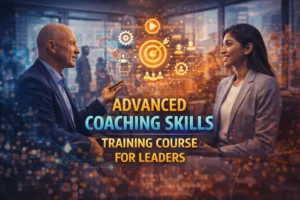

Advanced Coaching Skills Training Course for Leaders

Formats  Live Virtual: 8 hrs./2 Days  |  In-Person: 12 hrs./2 Days

Course Coming Soon | Sign up to be notified when the course overview is available, or contact us for group training pricing.

Advanced Coaching Skills for Leaders equips leaders with the skills to effectively coach, counsel, and guide employees toward improved performance and development. Participants will learn advanced questioning and listening techniques, how to address performance and behavioral challenges, and how to navigate difficult conversations with confidence and clarity. The course also covers setting expectations, documenting interactions, and following up to ensure accountability and progress. By the end, leaders will be able to apply coaching and counseling techniques to support employee growth and drive better team outcomes.

Learning Objectives

  • Apply advanced coaching and questioning techniques.
  • Differentiate between coaching and counseling approaches.
  • Deliver clear, actionable feedback.
  • Manage difficult conversations effectively.
  • Create a psychologically safe environment.
  • Set expectations to support accountability and development.
  • Document and follow-up on coaching conversations.

Format #2  Live Virtual: 4 hrs./day, 1 Days  |  In-Person: 6 hrs./day, 1 Days

1-Day Option: Only have time for 1-day, we offer this course with condensed content and few activities.

Course Agenda »

Foundations of Advanced Coaching

  1. Coaching Mindset and Leader Role
  2. Advanced Questioning Techniques
  3. Active Listening and Observation Skills

Effective Counseling Techniques

  1. When To Shift from Coaching to Counseling
  2. Addressing Performance and Behavioral Issues
  3. Structuring Counseling Conversations

Managing Difficult Conversations

  1. Emotional Intelligence in Conversations
  2. Delivering Clear, Actionable Feedback
  3. Handling Resistance and Defensiveness

Documentation And Follow-Up

  1. Setting Expectations and Accountability
  2. Creating a Development Plan
  3. Best Practices for Documentation
  4. Legal and Organizational Considerations
Advanced Coaching Skills Training Course for Leaders

Formats  Live Virtual: 8 hrs./2 Days  |  In-Person: 12 hrs./2 Days

Course Coming Soon | Sign up to be notified when the course overview is available, or contact us for group training pricing.

Advanced Coaching Skills for Leaders equips leaders with the skills to effectively coach, counsel, and guide employees toward improved performance and development. Participants will learn advanced questioning and listening techniques, how to address performance and behavioral challenges, and how to navigate difficult conversations with confidence and clarity. The course also covers setting expectations, documenting interactions, and following up to ensure accountability and progress. By the end, leaders will be able to apply coaching and counseling techniques to support employee growth and drive better team outcomes.

Learning Objectives

  • Apply advanced coaching and questioning techniques.
  • Differentiate between coaching and counseling approaches.
  • Deliver clear, actionable feedback.
  • Manage difficult conversations effectively.
  • Create a psychologically safe environment.
  • Set expectations to support accountability and development.
  • Document and follow-up on coaching conversations.

Format #2  Live Virtual: 4 hrs./day, 1 Days  |  In-Person: 6 hrs./day, 1 Days

1-Day Option: Only have time for 1-day, we offer this course with condensed content and few activities.

Course Agenda »

Foundations of Advanced Coaching

  1. Coaching Mindset and Leader Role
  2. Advanced Questioning Techniques
  3. Active Listening and Observation Skills

Effective Counseling Techniques

  1. When To Shift from Coaching to Counseling
  2. Addressing Performance and Behavioral Issues
  3. Structuring Counseling Conversations

Managing Difficult Conversations

  1. Emotional Intelligence in Conversations
  2. Delivering Clear, Actionable Feedback
  3. Handling Resistance and Defensiveness

Documentation And Follow-Up

  1. Setting Expectations and Accountability
  2. Creating a Development Plan
  3. Best Practices for Documentation
  4. Legal and Organizational Considerations